
7 Famous Underground Places Around the World You Can Actually Visit
Meta Description: Explore 7 famous underground places, from Derinkuyu to…
Meta Description: Explore 7 famous underground places, from Derinkuyu to the Paris Catacombs. Discover their history, fascinating features, and practical visitor tips.
7 Famous Underground Places Around the World You Can Actually Visit
Most travel lists send you up: up a tower, up a mountain, or up to a rooftop bar with a $19 cocktail. I say go down instead.
Some of the world’s most fascinating places are hidden beneath our feet. From ancient underground cities built for protection to historic tunnels, mysterious vaults, and enormous salt mines, these places reveal a different side of human history.
Not all of them are underground cities in the traditional sense. Some were built as shelters, others served as burial sites or mining complexes, and a few are modern underground networks. But they all offer something unusual for curious travelers.
Here are seven remarkable underground places you can actually visit, along with their history, what makes them special, and practical tips to help you plan your trip.
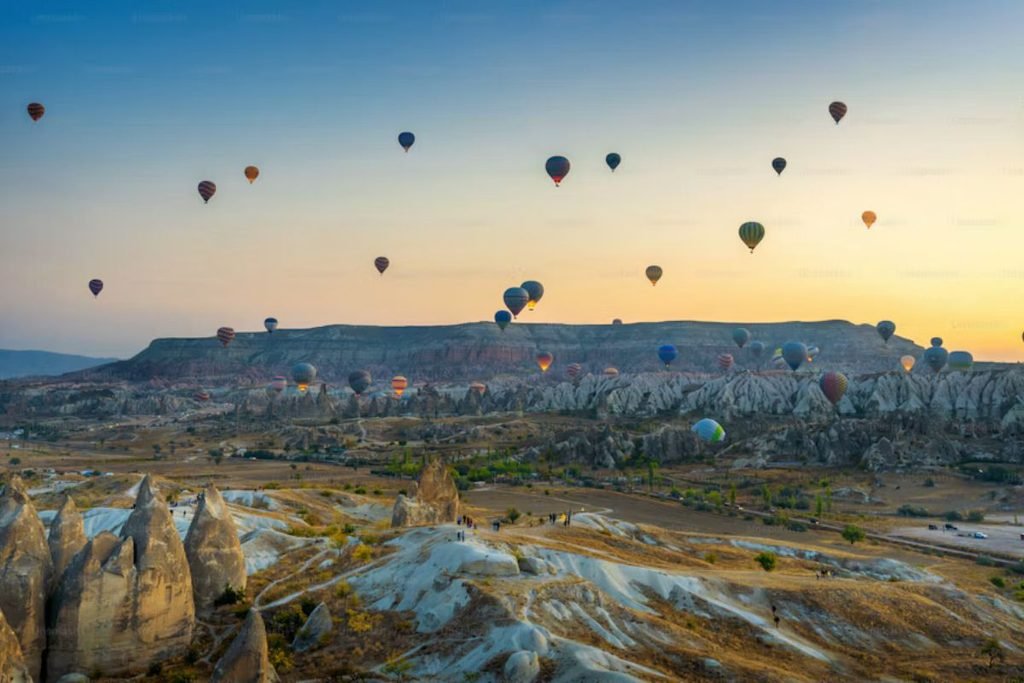
1. Derinkuyu Underground City, Türkiye
Let’s start with one of the most remarkable underground settlements in the world. Derinkuyu reaches approximately 85 meters (280 feet) below the surface, and eight levels are currently open to visitors.
Carved into Cappadocia’s soft volcanic rock, this ancient underground city was developed over centuries and used as a place of shelter during periods of danger and invasion.
It was designed to support everyday life underground. Its rooms and passageways included living quarters, food storage areas, stables, religious spaces, and ventilation shafts. Large stone doors could also be used to block certain passages from the inside.
One of the most impressive features is its ventilation system. Think about it: people designed ways to circulate air through multiple underground levels long before modern engineering tools existed. It is an extraordinary example of historical ingenuity.
You can explore the visitor-accessible sections with a standard admission ticket. Allow around 45–75 minutes for your visit, depending on your pace and the crowds. Wear comfortable shoes with good grip because the stairs can be steep, the passages narrow, and some ceilings low.
Tall travelers, consider this your reminder to watch your head!
Check Derinkuyu tickets and tours before you go.
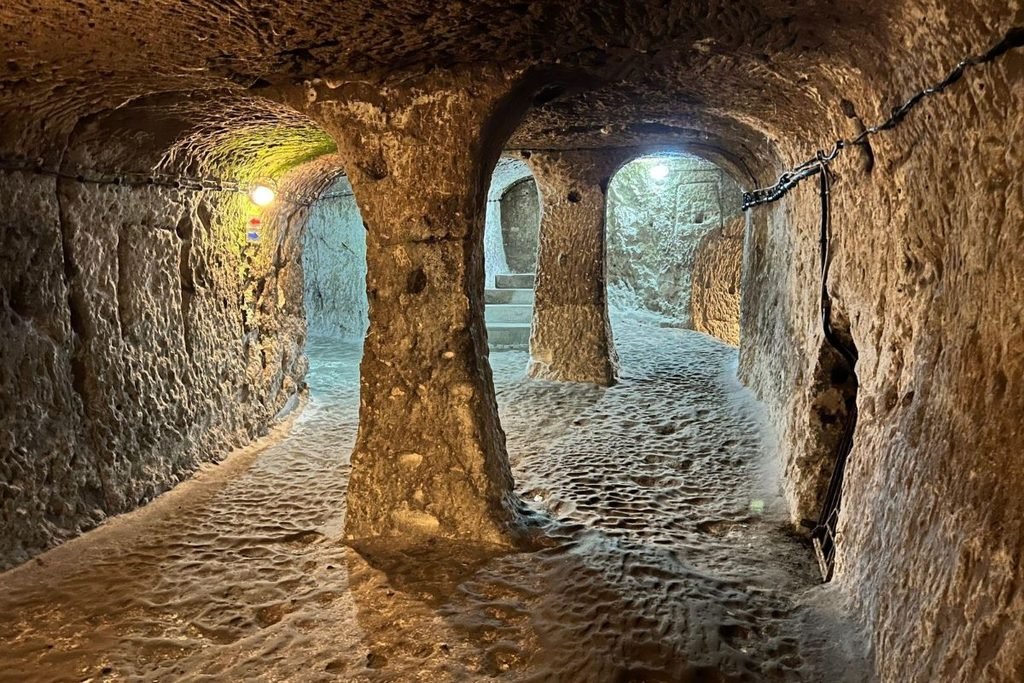
2. Kaymaklı Underground City, Türkiye
Kaymaklı is another remarkable underground settlement in Cappadocia and one of the region’s most interesting historical attractions.
Unlike Derinkuyu, which is known for its impressive depth, Kaymaklı is recognized for its interconnected rooms, narrow passages, and underground spaces spread across several levels.
The site contains areas that served different purposes, including storage rooms, living spaces, kitchens, and places for keeping animals. Its layout gives visitors a glimpse into how communities organized life beneath the surface.
The experience becomes much more interesting when you understand why the rooms were built and how they were used. A knowledgeable guide can help explain details that might otherwise be easy to miss.
Plan at least an hour for your visit.
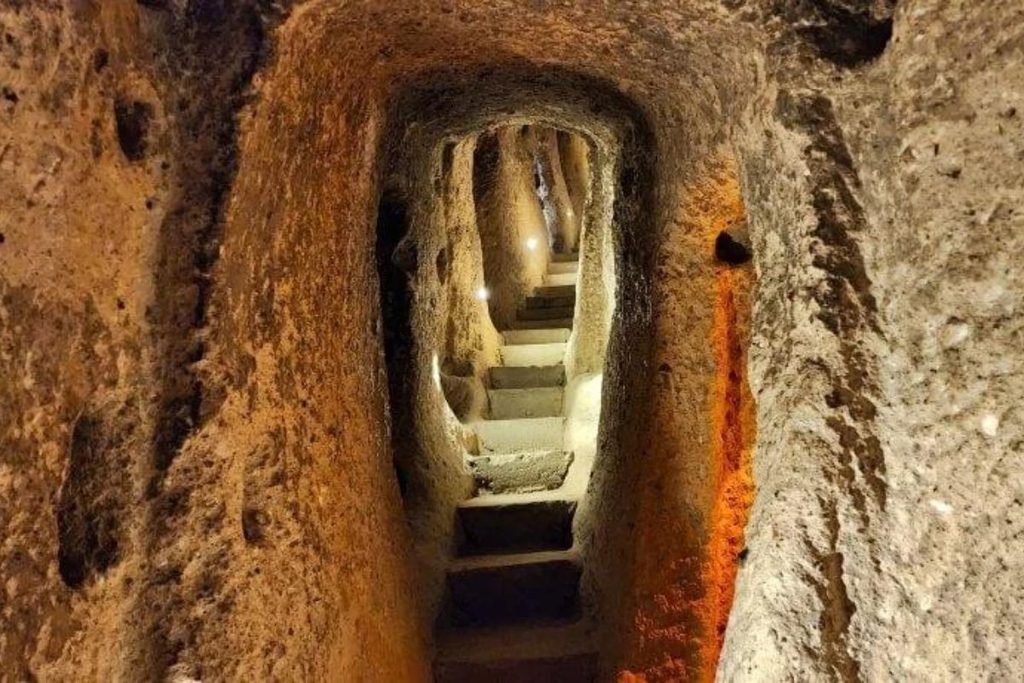
If you’re short on time, the Kaymaklı half-day tour can be a convenient introduction to the area. A private tour covering both Derinkuyu and Kaymaklı can also make a memorable day trip through Cappadocia.
3. The Paris Catacombs, France
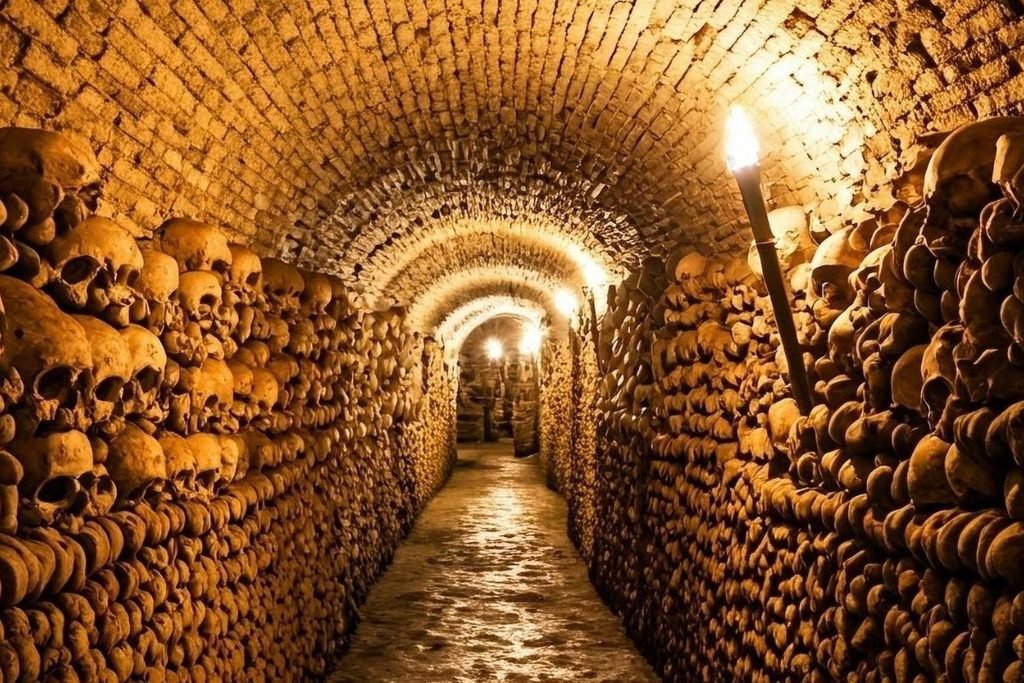
First, an important distinction: the Paris Catacombs are not an underground city where people once lived. They are an underground ossuary, a place where human remains are stored.
During the late 18th century, Paris faced serious public health problems caused by overcrowded cemeteries. Authorities decided to transfer remains into former underground limestone quarries outside the city at the time.
Today, visitors can explore approximately 1.5 kilometers of the underground route, where the remains of millions of Parisians are preserved.
The atmosphere is quiet, unusual, and deeply connected to the city’s history. Walking through the carefully arranged underground galleries offers a very different experience from visiting Paris’s famous streets and monuments.
Book timed entry through the official Catacombs site before your visit. The route includes stairs and narrow underground passages, so check the official visitor information if accessibility is important to you.
4. Montreal’s Underground City (RESO), Canada
Not every underground attraction is ancient. Montreal’s RESO is a modern pedestrian network connecting parts of downtown through underground passages.
The network links metro stations, shopping centers, hotels, offices, restaurants, and other buildings. It stretches across approximately 32 kilometers, making it one of the most extensive underground pedestrian networks in the world.
Its biggest advantage becomes clear during winter. Montreal can experience extremely cold weather and heavy snowfall, but RESO allows people to move between many central locations without constantly going outside.
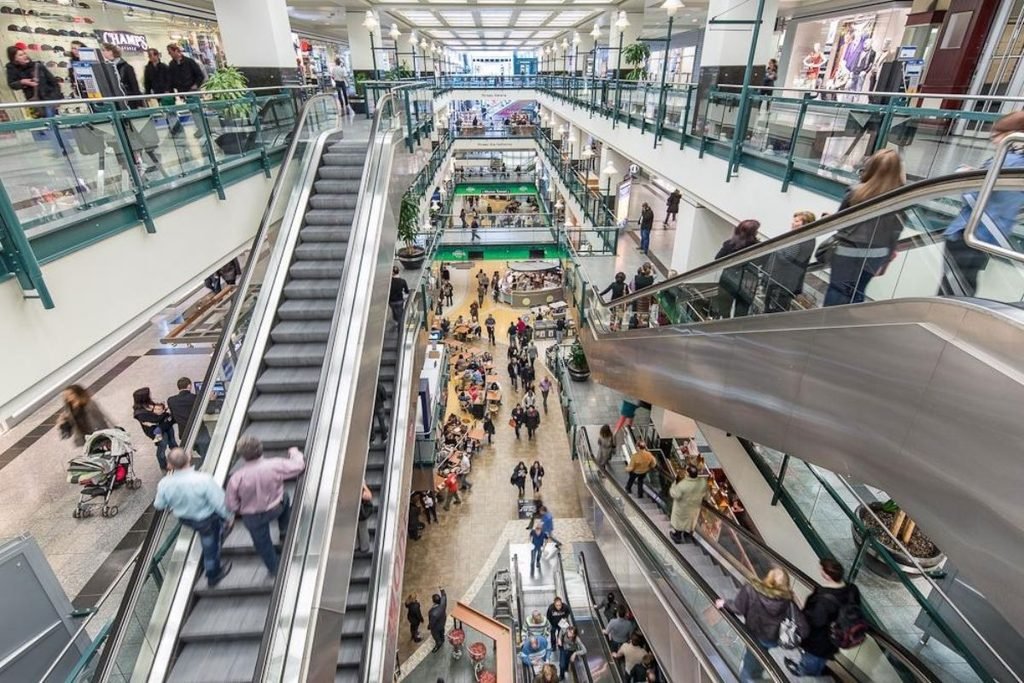
You can use the network to shop, eat, reach public transportation, or explore parts of downtown while staying sheltered from the weather.
If Montreal is on your travel list, a walking tour can help you understand the network and discover some of its connected attractions.
RESO is a fascinating example of how modern cities can use underground spaces to make everyday life more convenient.
5. Seattle Underground, USA
Here’s an underground attraction you can visit without leaving the United States.
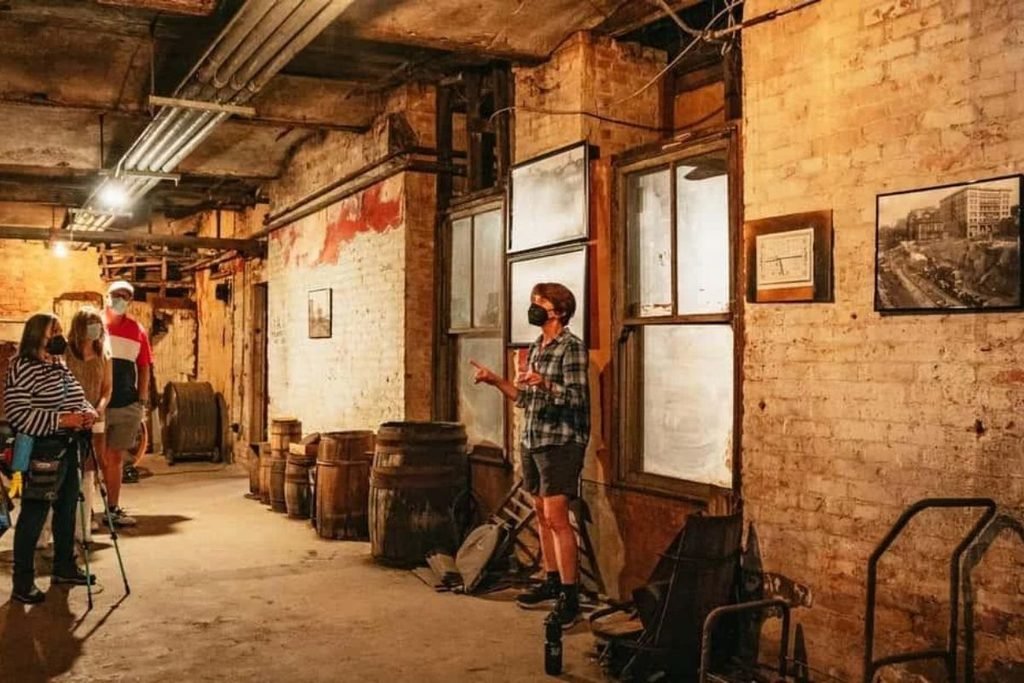
After the Great Seattle Fire of 1889, the city began rebuilding parts of its downtown area. Streets and sidewalks were raised, leaving sections of the original ground-level streets beneath the newer city.
Today, visitors can explore parts of this buried urban landscape through guided tours beneath the Pioneer Square neighborhood.
The experience offers a different perspective on Seattle’s development, showing how the city changed after one of the most significant events in its history.
Rather than exploring an ancient underground settlement, you’ll be walking through remnants of an earlier version of a modern American city.
Book a Seattle Underground Tour ticket to discover the stories behind the old streets, buildings, and spaces beneath the city.
6. Edinburgh’s Vaults, Scotland
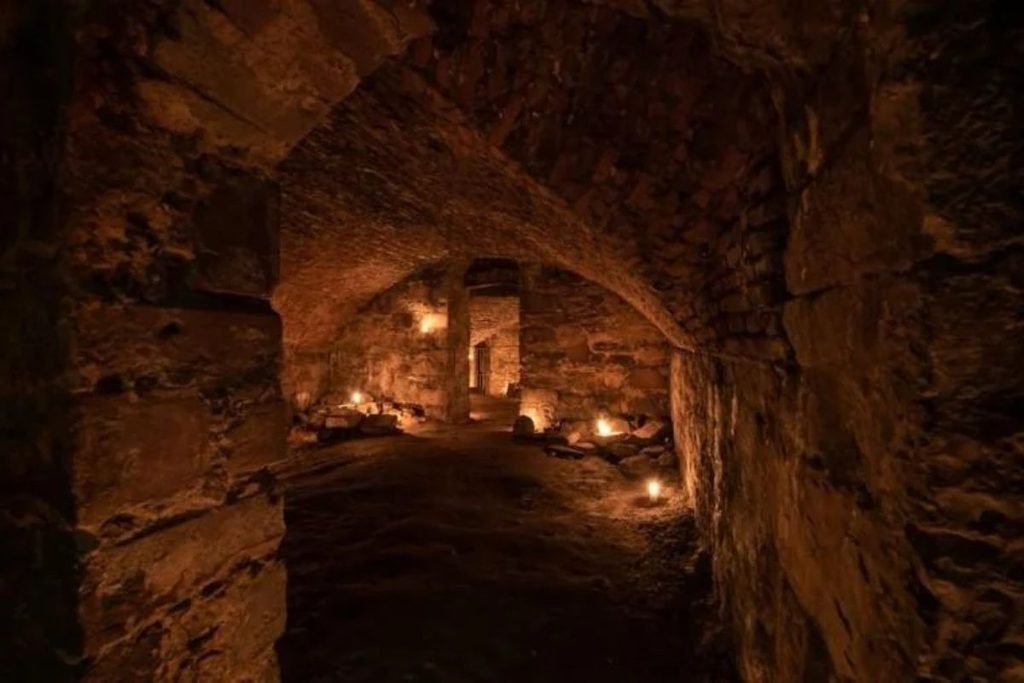
Beneath Edinburgh’s South Bridge lies a network of historic chambers commonly known as the Edinburgh Vaults.
These underground spaces were originally used for activities such as storage and workshops. Over time, some areas became crowded and damp, and the vaults developed a reputation connected to the difficult living conditions experienced by people who used them.
Today, they are known for their historical atmosphere, stories about the people who once occupied them, and local legends involving mysterious events.
A vaults tour can introduce visitors to the history of these chambers and the stories associated with them.
If you’re interested in Edinburgh’s less familiar history, the vaults offer a memorable experience beneath the city’s historic streets. Bring a jacket, and remember that some stories are legends rather than established historical facts.
7. Wieliczka Salt Mine, Poland
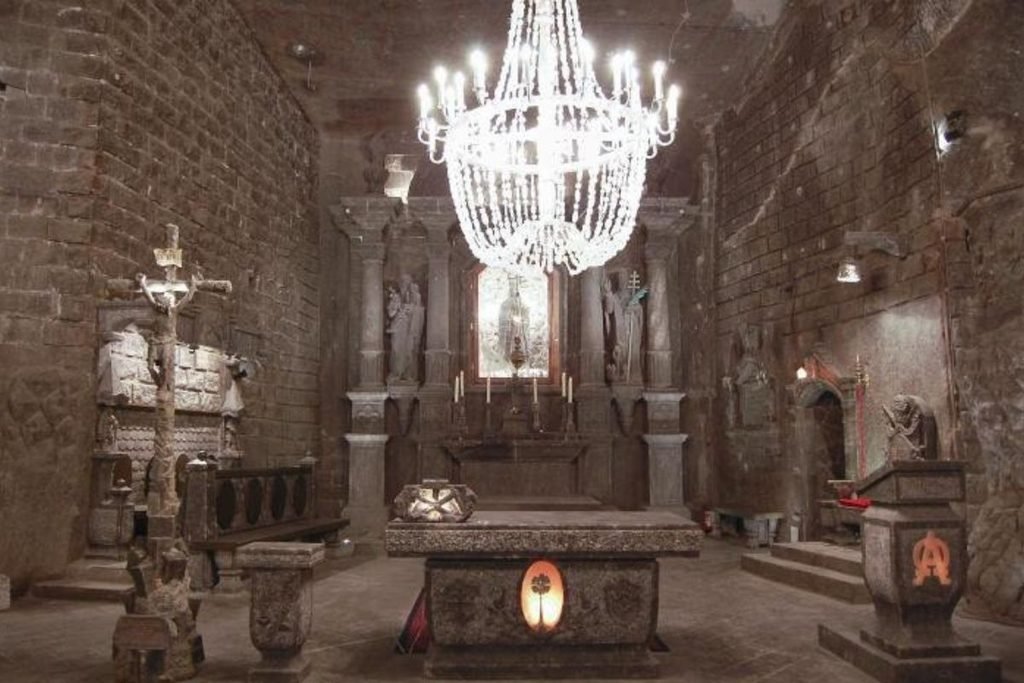
Located near Kraków, the Wieliczka Salt Mine is one of Europe’s most impressive underground heritage attractions.
This is not an underground city in the traditional sense. It is a historic salt mine that developed over centuries and became famous for its enormous chambers, underground chapels, sculptures, and remarkable salt-carved decorations.
One of its most impressive attractions is St. Kinga’s Chapel, where walls, decorations, and sculptures were carved from rock salt.
The mine reveals how generations of miners worked underground and gradually transformed industrial spaces into extraordinary works of art.
A guided tour is one of the best ways to explore the site and understand its history. The official Wieliczka Salt Mine website provides information about available tours and visitor arrangements.
Quick Comparison Table
| Place | Best For | Type of Site | Typical Visit |
|---|---|---|---|
| Derinkuyu | Ancient history | Underground city | 45–75 minutes |
| Kaymaklı | Historical exploration | Underground city | 1+ hour |
| Paris Catacombs | History and atmosphere | Underground ossuary | Around 1 hour |
| Montreal RESO | Winter travel and shopping | Modern pedestrian network | Flexible |
| Seattle Underground | Urban history | Historic buried streets | Guided tour |
| Edinburgh Vaults | Local history and legends | Historic underground vaults | Guided tour |
| Wieliczka | Art and heritage | Historic salt mine | Guided tour |
Note on Beijing’s Dixia Cheng: This is a well-known Cold War-era underground tunnel network. However, public access has been limited, so check its current visitor status before including it in your travel plans.
What to Pack for an Underground Visit
Exploring underground attractions requires a little preparation. You don’t need complicated equipment, but a few practical items can make your visit more comfortable.
- Comfortable walking shoes: Choose shoes with good grip, especially for stairs and uneven surfaces.
- Light layers: Underground temperatures can be cooler than outside.
- A small daypack: A compact bag is easier to carry through narrow passages.
- A power bank: Useful for keeping your phone charged for tickets, maps, and photographs.
- A phone light: Use it only where the site allows it. Some attractions have their own lighting systems and do not permit additional lights.
- Travel insurance: Consider appropriate travel insurance when planning international trips and guided activities.
Always check the official visitor rules before your trip, as some sites restrict bags, photography, or other items.
Stay Safe and Follow the Rules
Underground attractions can be fascinating, but they are not all open for unrestricted exploration.
Entering sealed tunnels, restricted quarry sections, or closed catacomb passages can be illegal and dangerous. These areas may have unstable structures, poor ventilation, or other hazards.
Always use official entrances, follow marked visitor routes, and respect the instructions of site staff and tour guides.
The best way to experience these remarkable places is through authorized visits and guided tours.
Frequently Asked Questions
What are the most famous underground cities and places?
Some of the best-known underground attractions include Derinkuyu and Kaymaklı in Türkiye, the Paris Catacombs in France, Montreal’s RESO in Canada, Seattle Underground in the United States, Edinburgh’s Vaults in Scotland, and the Wieliczka Salt Mine in Poland.
Why were ancient underground cities built?
Many underground settlements were developed to provide shelter and protection during periods of conflict, invasion, or difficult weather conditions. They also included spaces for storing food, keeping animals, and carrying out everyday activities.
What is the deepest underground city open to visitors?
Derinkuyu in Türkiye is commonly described as one of the deepest underground cities open to visitors. It reaches approximately 85 meters below the surface, although only eight levels are currently accessible to the public.
Are underground attractions safe to visit?
Official visitor routes are generally managed for public access. However, conditions vary from one attraction to another. Visitors should expect stairs, narrow passages, uneven floors, and low ceilings at some locations. Check accessibility information before visiting.
Do I need a guide to explore underground attractions?
It depends on the location. Some sites can be explored independently with a standard admission ticket, while guided tours provide valuable historical context and help visitors understand the purpose of different underground spaces.
How long does it take to visit these places?
Visit times vary considerably. Derinkuyu usually takes around 45–75 minutes, while Kaymaklı generally requires at least an hour. The Paris Catacombs route takes approximately one hour. Other attractions, such as Montreal’s RESO, can be explored at your own pace.
Go Down and Discover Another Side of the World
Some of the world’s most fascinating destinations are not found on mountain peaks or along famous coastlines. They are hidden beneath the streets, rocks, and landscapes we walk across every day.
From the ancient underground settlements of Cappadocia to the historic chambers of Edinburgh and the extraordinary salt-carved spaces of Poland, each destination reveals a different chapter of human history.
Whether you’re interested in ancient engineering, unusual architecture, historical mysteries, or simply discovering something different, these underground places deserve a spot on your travel list.
Choose a destination, plan your visit, and discover what lies beneath the surface.
Notes for publishing: Verify all links, admission prices, opening hours, and tour schedules before publishing, as visitor information can change. Add FAQ schema markup to the Frequently Asked Questions section.